
Authentic Kathi Roll Recipe – Make Restaurant-Style Rolls at Home
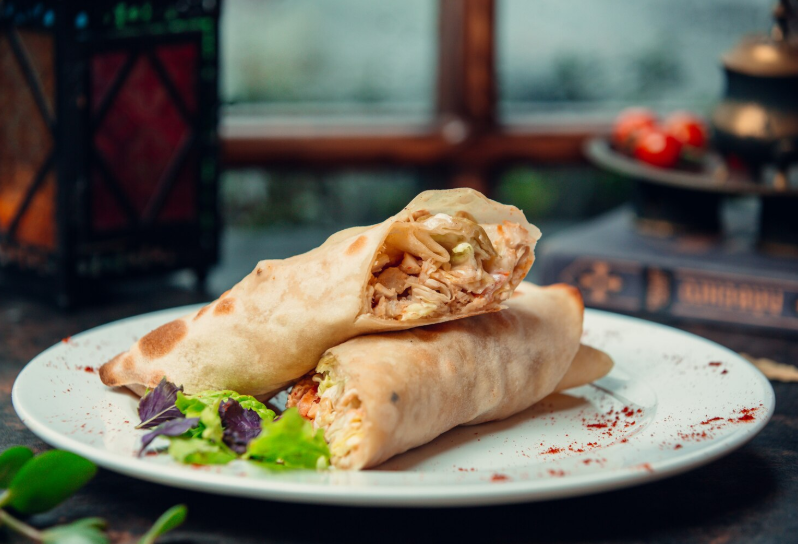
Searching for recipe kathi roll usually means one of two things. Either you want to understand how a real kathi roll is actually made, or you have tried making one before and realized it is not as simple as wrapping filling in flatbread. A proper kathi roll is a balance of technique, timing, texture, and restraint. It looks simple, but the details matter.
At Roti Roll, kathi rolls are not theoretical recipes. They are produced daily, repeatedly, and consistently. This page explains the recipe kathi roll concept in real-world terms, breaking down what actually makes a kathi roll work, why many homemade or copied versions fail, and how Roti Roll applies this recipe logic in a professional kitchen environment in Vancouver.
📍 Location: 4443 West 10th Ave, Vancouver, BC, Canada
📞 Phone: +1 (604) 336-0718
📧 Email: canadarotiroll@gmail.com
What People Really Mean When They Search “Recipe Kathi Roll”
The keyword recipe kathi roll is rarely about a short ingredient list. Most people searching this want to know:
-
Why their rolls don’t taste right
-
Why restaurant kathi rolls feel different
-
What balance of spice actually works
-
How roti, filling, and sauce interact
-
What separates a real kathi roll from a basic wrap
A kathi roll recipe is not just ingredients. It is structure and sequence.
Understanding the Origin of the Kathi Roll Recipe
The kathi roll recipe originated in Indian street food culture. It was designed for:
-
Speed
-
Portability
-
Full-meal satisfaction
-
Repeat consistency
Street vendors could not afford inconsistency. Every roll had to taste the same, every time. That philosophy still applies at Roti Roll.
Why Most Recipe Kathi Roll Attempts Fail
Common mistakes include:
-
Using the wrong bread
-
Over-seasoning the filling
-
Adding too many sauces
-
Overcooking protein
-
Poor assembly timing
A real recipe kathi roll depends on balance, not excess.
The Core Components of a Recipe Kathi Roll
Every kathi roll recipe, whether chicken, paneer, or vegetable, relies on four core components:
-
Roti
-
Filling
-
Vegetables
-
Sauce
Each one must be correct on its own and work with the others.
Roti: The Foundation of the Recipe Kathi Roll
Roti is not interchangeable with tortillas or wraps.
A proper roti should be:
-
Soft
-
Warm
-
Flexible
-
Neutral in flavor
At Roti Roll, roti is treated as the foundation, not an afterthought. A bad roti ruins the entire recipe.
Filling: The Heart of the Recipe
Whether chicken, paneer, or vegetables, the filling must be:
-
Properly cooked
-
Moist, not dry
-
Seasoned, not overwhelmed
The recipe kathi roll filling is not a curry. It is drier, more controlled, and designed to be eaten inside roti without dripping or overpowering.
Spice Balance in a Recipe Kathi Roll
The biggest misconception is that kathi rolls are “very spicy.”
They are not.
A correct recipe kathi roll uses:
-
Moderate heat
-
Layered spice
-
Aroma over intensity
At Roti Roll, spice is applied to enhance ingredients, not dominate them.
Vegetables: Texture, Not Decoration
Vegetables in a recipe kathi roll are not garnish. They serve specific purposes:
-
Crunch
-
Freshness
-
Temperature contrast
Common choices include onions and greens, added in measured amounts.
Sauce: The Most Abused Element
Most failed recipe kathi roll attempts use too much sauce.
Sauce should:
-
Bind ingredients
-
Add light acidity or creaminess
-
Never soak the roti
At Roti Roll, sauce is controlled carefully. More sauce does not mean more flavor.
Step-by-Step Recipe Kathi Roll Process (Professional Logic)
Step 1: Prepare the Roti
Roti must be warm and flexible before assembly.
Step 2: Cook the Filling
The filling is cooked fresh and rested briefly to retain moisture.
Step 3: Light Sauce Application
Sauce is applied sparingly to the roti or filling, not both.
Step 4: Add Vegetables
Vegetables are layered evenly, never piled.
Step 5: Roll and Seal
The roll is wrapped tightly to hold structure without crushing contents.
This process is repeated consistently at Roti Roll.
Why Timing Matters in the Recipe
If you wait too long:
-
Roti stiffens
-
Filling cools
-
Texture suffers
Kathi rolls are meant to be assembled and eaten quickly. This is why restaurant-quality execution is difficult at home.
Recipe Kathi Roll vs Regular Wrap Recipe
A regular wrap recipe:
-
Focuses on sauce
-
Uses pre-made bread
-
Accepts sogginess
A recipe kathi roll:
-
Focuses on balance
-
Uses fresh roti
-
Demands timing discipline
Roti Roll follows the latter approach.
Chicken Recipe Kathi Roll Logic
Chicken must be:
-
Fully cooked
-
Juicy
-
Cut consistently
Dry chicken ruins the roll. At Roti Roll, chicken is cooked in batches designed for immediate use.
Paneer Recipe Kathi Roll Logic
Paneer should be:
-
Soft
-
Lightly cooked
-
Properly seasoned
Overcooked paneer becomes rubbery. This is one of the most common mistakes in home recipes.
Vegetarian Recipe Kathi Roll Logic
Vegetable rolls rely heavily on:
-
Texture contrast
-
Spice layering
-
Freshness
They require just as much discipline as meat-based rolls.
Why Recipe Kathi Roll Is Hard to Scale at Home
Home kitchens struggle because:
-
Roti cools quickly
-
Assembly timing varies
-
Portion control is inconsistent
At Roti Roll, the kitchen setup is designed specifically to support this recipe structure.
Consistency Is the Real Secret Recipe
People assume secret spices matter most.
In reality, consistency matters more.
At Roti Roll:
-
Portions are measured
-
Cooking times are controlled
-
Assembly order never changes
This is the real recipe advantage.
Recipe Kathi Roll for Lunch and Dinner
The same recipe logic works for:
-
Lunch
-
Dinner
-
Takeout
Because the roll is balanced, it fits multiple eating occasions.
Pros & Cons of Making a Recipe Kathi Roll
| Pros | Cons |
|---|---|
| Full meal in one roll | Requires timing precision |
| Balanced flavors | Easy to overdo sauce |
| Works with many fillings | Roti quality is critical |
| Easy to eat | Hard to replicate restaurant texture |
| Adaptable recipe | Freshness window is short |
Why Roti Roll Does Not Publish Exact Measurements
A true recipe kathi roll depends on:
-
Ingredient quality
-
Heat control
-
Human judgment
Exact measurements alone do not guarantee success. That is why Roti Roll focuses on execution rather than gimmicks.
Recipe Kathi Roll and Indian Street Food Discipline
Street food recipes survive because they work repeatedly, not because they look good online. Roti Roll follows this discipline rather than chasing trends.
Why Customers Trust Roti Roll’s Recipe Execution
Customers return because:
-
Rolls taste the same every time
-
Texture remains consistent
-
No ingredient overwhelms another
That reliability comes from respecting the recipe logic.
Frequently Asked Questions (FAQ)
1. Is a kathi roll recipe complicated?
No, but it requires balance and timing.
2. Can I make a kathi roll at home?
Yes, but results vary without proper setup.
3. What bread is used in a kathi roll recipe?
Fresh roti.
4. Why does my roll turn soggy?
Too much sauce or poor timing.
5. Is spice level high in a kathi roll recipe?
No, it is balanced.
6. Where can I try a real kathi roll recipe execution?
At Roti Roll, Vancouver.
7. Are vegetarian kathi rolls different to prepare?
Yes, texture control is critical.
8. Is chicken the easiest filling?
Yes, if cooked properly.
9. Can kathi rolls be prepared in advance?
No, freshness is essential.
10. Why do restaurant kathi rolls taste better?
Because of controlled heat, timing, and consistency.
Recipe Kathi Roll Done the Right Way at Roti Roll
A recipe kathi roll is not a list of ingredients. It is a method. It is restraint. It is timing. At Roti Roll, this recipe logic is applied daily, consistently, and without shortcuts.