
Best Recipe for Kathi Roll – Step-by-Step Guide for Perfect Rolls
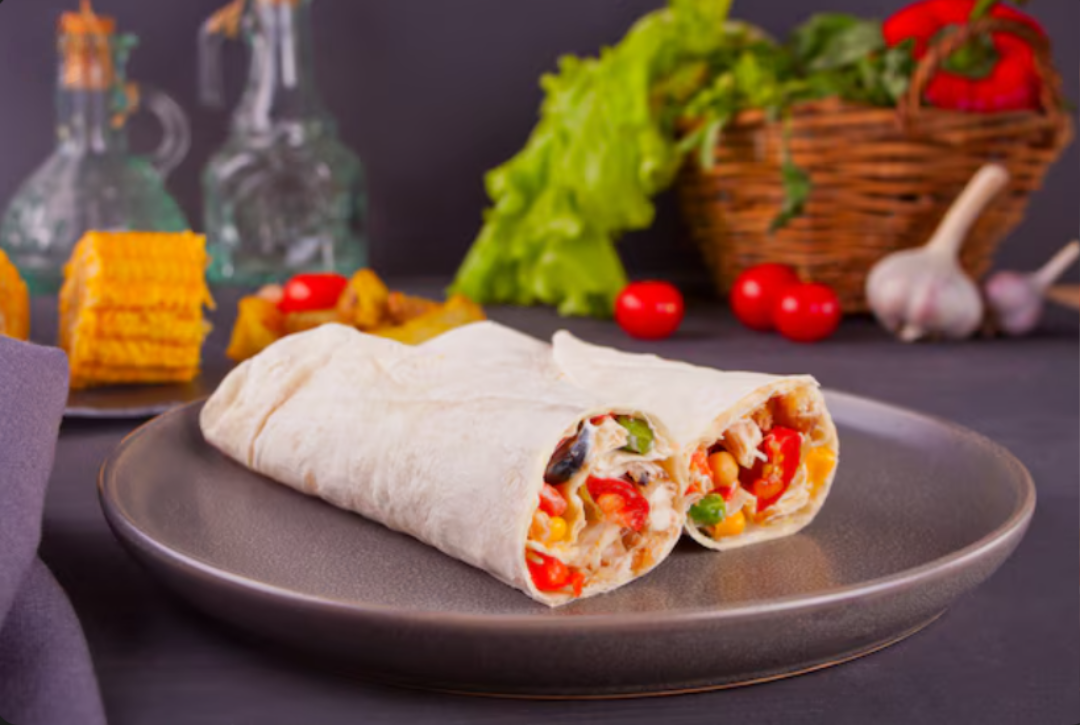
Searching for a recipe for kathi roll usually starts with curiosity and ends with realization. Many people assume a kathi roll is simply a wrap with some filling. Then they try making it, and something feels off. The roti cracks. The filling tastes flat. The roll turns soggy. The balance is gone. That’s when it becomes clear that a real kathi roll recipe is not just ingredients written on a page. It is a method built on timing, restraint, texture, and repetition.
At Roti Roll, the recipe for kathi roll is not theoretical. It is executed every day, dozens of times, under real service conditions. This page breaks down the recipe for kathi roll in a practical, experience-based way. It explains how a proper kathi roll is built, why many attempts fail, and how Roti Roll applies this recipe logic consistently in Vancouver.
📍 Location: 4443 West 10th Ave, Vancouver, BC, Canada
📞 Phone: +1 (604) 336-0718
📧 Email: canadarotiroll@gmail.com
What People Actually Want When They Search “Recipe for Kathi Roll”
The keyword recipe for kathi roll is rarely about copying a list of ingredients. Most people searching this want answers to deeper questions:
-
Why does my kathi roll not taste like restaurant ones?
-
Why does the roti break or go dry?
-
Why does the roll feel heavy or messy?
-
Why do flavors clash instead of blend?
-
What am I missing in the process?
A real recipe for kathi roll is about structure and sequence, not shortcuts.
Understanding the Origin of the Kathi Roll Recipe
The original recipe for kathi roll comes from Indian street food culture. It was designed for:
-
Speed
-
Consistency
-
Portability
-
Full-meal satisfaction
Street vendors depended on repeat customers. That meant every roll had to taste the same every time. This demand for consistency shaped the recipe more than creativity ever did.
At Roti Roll, that discipline is still respected.
Why Most “Recipe for Kathi Roll” Guides Fail
Most online recipes fail because they focus on:
-
Too many ingredients
-
Exact measurements without context
-
Excessive sauces
-
Decorative plating
A real kathi roll recipe focuses on control, not complexity.
The Four Pillars of a Recipe for Kathi Roll
Every authentic recipe for kathi roll relies on four elements working together:
-
Roti
-
Filling
-
Vegetables
-
Sauce
If one element fails, the entire roll fails.
Roti: The Foundation of the Recipe
Roti is not interchangeable with tortillas, wraps, or naan.
A proper roti for a kathi roll must be:
-
Soft
-
Warm
-
Flexible
-
Neutral in flavor
At Roti Roll, roti is always treated as the base of the recipe, not an afterthought. A bad roti ruins the entire roll, no matter how good the filling is.
Why Store-Bought Bread Fails the Recipe
Most store-bought wraps:
-
Crack when folded
-
Become chewy
-
Absorb moisture poorly
This is why many home attempts fail before the roll is even assembled.
Filling: The Heart of the Recipe for Kathi Roll
The filling defines the character of the roll. Whether chicken, paneer, or vegetables, the filling must be:
-
Cooked fully
-
Moist but not wet
-
Seasoned evenly
-
Dry enough to sit inside roti
A kathi roll filling is not a curry. It is intentionally drier and more controlled.
Spice Logic in a Kathi Roll Recipe
A common mistake is assuming a kathi roll must be very spicy.
In reality:
-
Heat should be moderate
-
Aroma matters more than burn
-
Spices should enhance, not dominate
At Roti Roll, spice is layered carefully so no single note overwhelms the roll.
Chicken Recipe for Kathi Roll: Practical Logic
Chicken works well because it:
-
Absorbs flavor
-
Retains moisture
-
Feels satisfying
But chicken must be:
-
Cut evenly
-
Cooked thoroughly
-
Rested briefly before assembly
Dry chicken is one of the fastest ways to ruin a kathi roll.
Paneer Recipe for Kathi Roll: Common Pitfalls
Paneer must be:
-
Soft
-
Lightly cooked
-
Seasoned gently
Overcooking paneer makes it rubbery. This is one of the most common failures in paneer-based kathi rolls.
Vegetarian Recipe for Kathi Roll: Texture Control
Vegetable kathi rolls depend heavily on:
-
Crunch
-
Moisture balance
-
Spice layering
Vegetarian rolls are not easier. They require just as much control as meat-based rolls.
Vegetables: Functional, Not Decorative
Vegetables in a recipe for kathi roll serve specific purposes:
-
Add crunch
-
Cool the palate
-
Balance warmth
They are not added for color or decoration.
Sauce: The Most Misused Ingredient
Most failed kathi rolls suffer from too much sauce.
Sauce should:
-
Bind ingredients lightly
-
Add subtle acidity or creaminess
-
Never soak the roti
At Roti Roll, sauce is measured and controlled.
Step-by-Step Recipe for Kathi Roll (Professional Execution)
Step 1: Prepare the Roti
Roti must be warm and flexible before assembly.
Step 2: Cook the Filling
Filling is cooked fresh and rested briefly.
Step 3: Apply Sauce Lightly
Sauce is applied sparingly to one surface only.
Step 4: Add Vegetables
Vegetables are distributed evenly.
Step 5: Roll and Seal
The roll is wrapped tightly but gently to maintain structure.
This sequence is followed consistently at Roti Roll.
Why Timing Is Critical in the Recipe
If you delay:
-
Roti stiffens
-
Filling cools
-
Texture collapses
Kathi rolls are meant to be assembled and eaten quickly. This is why restaurant-quality execution is hard to replicate at home.
Recipe for Kathi Roll vs Generic Wrap Recipe
A generic wrap recipe:
-
Accepts sogginess
-
Relies on sauce
-
Uses pre-made bread
A recipe for kathi roll:
-
Demands balance
-
Uses fresh roti
-
Requires timing discipline
Roti Roll follows the second approach.
Why Home Kitchens Struggle With This Recipe
Home kitchens lack:
-
Heat control
-
Assembly flow
-
Portion discipline
At Roti Roll, the kitchen layout is designed specifically for this recipe logic.
Consistency Is the Real Secret Ingredient
People often ask about secret spices.
The real secret is consistency.
At Roti Roll:
-
Portions are measured
-
Cooking times are fixed
-
Assembly order never changes
This is what keeps every kathi roll tasting the same.
Recipe for Kathi Roll as a Full Meal
A properly executed recipe includes:
-
Protein
-
Carbohydrates
-
Fresh vegetables
-
Controlled fat
This makes the kathi roll a complete meal, not a snack.
Why the Recipe Works for Lunch and Dinner
The balance of the recipe makes it suitable for:
-
Lunch
-
Dinner
-
Takeout
It satisfies hunger without feeling heavy.
Common Mistakes People Make
-
Too much sauce
-
Cold roti
-
Overloaded filling
-
Poor timing
Every one of these mistakes breaks the recipe.
Pros & Cons of Making a Recipe for Kathi Roll
| Pros | Cons |
|---|---|
| Full meal in one roll | Requires timing precision |
| Balanced flavors | Easy to overuse sauce |
| Works with many fillings | Roti quality is critical |
| Easy to eat | Hard to match restaurant texture |
| Customizable | Short freshness window |
Why Roti Roll Does Not Share Exact Measurements
A true recipe for kathi roll depends on:
-
Ingredient quality
-
Heat judgment
-
Texture awareness
Exact measurements alone cannot guarantee success. Execution matters more.
Street Food Discipline Behind the Recipe
Street food recipes survive because they work repeatedly, not because they look impressive online. Roti Roll follows this discipline instead of chasing trends.
Why Customers Trust Roti Roll’s Recipe Execution
Customers return because:
-
Rolls taste identical every time
-
Texture remains consistent
-
No element dominates another
That trust is built on respecting the recipe logic.
Frequently Asked Questions (FAQ)
1. Is a recipe for kathi roll complicated?
No, but it requires balance and timing.
2. Can I make a kathi roll at home?
Yes, but results vary.
3. What bread is used in a kathi roll recipe?
Fresh roti.
4. Why does my roll turn soggy?
Too much sauce or delayed assembly.
5. Is a kathi roll recipe very spicy?
No, it is balanced.
6. Where can I try a real recipe execution?
At Roti Roll, Vancouver.
7. Are vegetarian kathi rolls harder to make?
They require precise texture control.
8. Can kathi rolls be prepared in advance?
No, freshness is essential.
9. What ruins a kathi roll fastest?
Cold roti and excess sauce.
10. Why do restaurant kathi rolls taste better?
Because of controlled timing, heat, and consistency.
Recipe for Kathi Roll Done Right at Roti Roll
A recipe for kathi roll is not a list of ingredients. It is a system. It is discipline. It is repetition. At Roti Roll, this recipe logic is applied every day, without shortcuts, ensuring that every roll delivers the same balance, warmth, and satisfaction.