
Why Kati Rolls Are Everyone’s Favorite Street Food
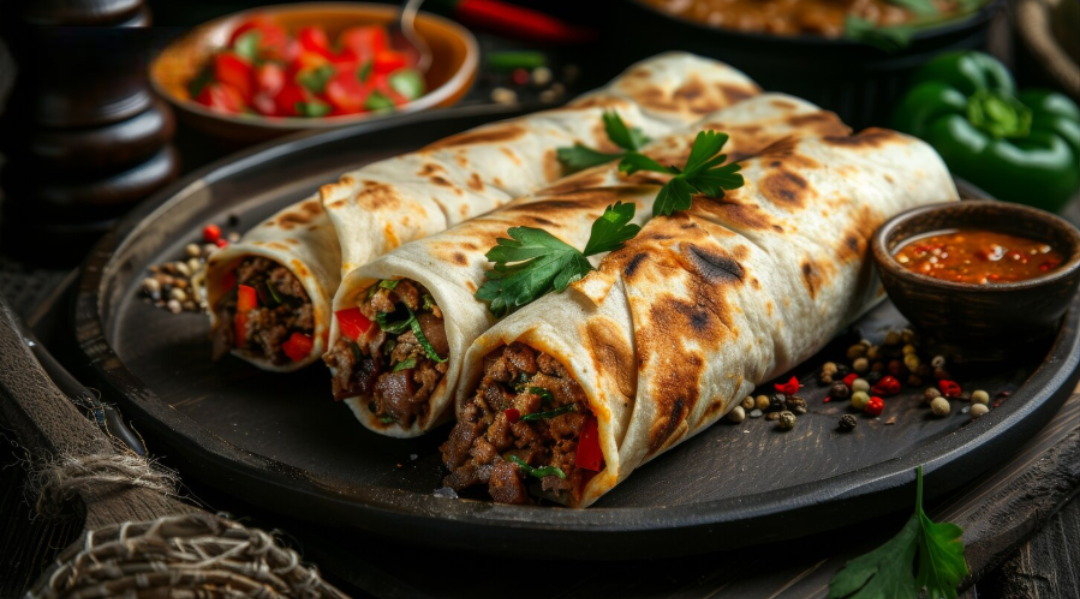
Kati rolls are not just wraps. They are a complete street-food system built around balance: hot griddled flatbread, bold fillings, acidity, heat, and texture—all engineered to be eaten by hand without falling apart. People don’t crave kati rolls casually. They crave them because the format delivers immediate satisfaction while still feeling crafted and intentional.
This page is written from real prep, service, and customer-feedback experience—how kati rolls are built, why certain combinations work, how the bread matters as much as the filling, and why consistency separates a great roll from a forgettable one. Throughout, you’ll see how Roti Roll approaches kati rolls as a disciplined craft rather than a generic wrap.
Location & Contact
📍 4443 West 10th Ave, Vancouver, BC, Canada
📞 +1 (604) 336-0718
📧 canadarotiroll@gmail.com
What People Mean When They Say “Kati Rolls”
When someone searches kati rolls, they’re usually looking for:
-
A hot, freshly cooked flatbread (not a cold tortilla)
-
A savory, spiced filling with depth
-
Sharp onions, herbs, and acidity to cut richness
-
Sauces that enhance—not drown—the roll
The name comes from Kolkata street food, but the appeal is universal. The format travels well, satisfies quickly, and adapts to different diets without losing identity.
The Anatomy of a Proper Kati Roll
A real kati roll has five essential components. Miss one and the whole thing suffers.
1) The Bread (Roti/Paratha)
The bread is cooked to order on a hot griddle. It should be:
-
Lightly crisp outside
-
Soft and pliable inside
-
Brushed with fat for aroma and structure
At Roti Roll, the bread is treated as the foundation, not an afterthought.
2) The Protein or Core Filling
Classic options include:
-
Spiced chicken
-
Lamb or beef kebab
-
Paneer (Indian cottage cheese)
-
Egg (often layered into the bread)
Seasoning must be assertive but balanced. Over-spicing kills nuance.
3) Fresh Crunch & Acidity
Typically:
-
Sliced red onion
-
Lemon or vinegar
-
Fresh herbs
This is what keeps kati rolls from feeling heavy.
4) Sauce (Used With Restraint)
Green chili, yogurt, tamarind, or house blends—applied sparingly to keep structure intact.
5) Tight Roll Technique
The wrap must be snug. Loose rolls fall apart. Tight rolls eat clean.
Why Kati Rolls Work So Well in Vancouver
Vancouver diners value:
-
Handheld meals
-
Bold flavors without heaviness
-
Customization
-
Food that travels
Kati rolls check every box. That’s why they’ve grown from niche street food to a staple for quick lunches and late dinners.
Kati Rolls vs Burritos vs Shawarma
| Feature | Kati Rolls | Burritos | Shawarma |
|---|---|---|---|
| Bread | Griddled roti/paratha | Flour tortilla | Pita/wrap |
| Texture | Crisp + soft | Soft | Soft |
| Spice profile | Indian | Mexican | Middle Eastern |
| Acidity | High | Medium | Medium |
| Eatability | Clean, compact | Heavy | Medium |
Kati rolls sit at the intersection of flavor intensity and portability.
Why Bread Quality Changes Everything
Cold wraps flatten flavor. Hot griddled bread releases aroma and creates contrast. That’s why kati rolls feel “fresh” even with rich fillings.
Roti Roll prioritizes fresh griddle time because it’s the difference customers notice first.
Popular Kati Roll Styles (And Why They Work)
- Chicken Kati Roll
Savory, smoky, and balanced. A universal favorite.
- Paneer Kati Roll
Protein-rich, vegetarian, and satisfying when properly seasoned.
- Egg Kati Roll
Egg layered into the bread adds richness and structure.
- Spicy Variants
Heat should be adjustable. The goal is flavor, not punishment.
Customization Without Chaos
Great kati roll kitchens allow swaps while protecting balance:
-
Protein choice
-
Heat level
-
Sauce selection
But they don’t overload. Too many ingredients break structure and flavor.
Prep Discipline: The Hidden Skill
Kati rolls look simple. They aren’t.
Key prep realities:
-
Proteins must be cooked ahead but finished to order
-
Bread timing must sync with filling heat
-
Sauces must be consistent daily
This discipline is why customers return to Roti Roll—consistency beats novelty.
Pros & Cons of Kati Rolls
| Pros | Cons |
|---|---|
| Highly portable | Requires skilled prep |
| Bold, layered flavors | Bread must be fresh |
| Customizable | Overfilling ruins structure |
| Works for many diets | Not ideal if rushed |
| Great value meal | Quality varies by kitchen |
Why Customers Choose Roti Roll for Kati Rolls
Roti Roll
Customers choose Roti Roll because:
-
Bread is cooked fresh, not reheated
-
Fillings are seasoned with intent
-
Rolls are tight and clean to eat
-
Portions are balanced, not bloated
-
Flavor stays consistent
Roti Roll treats kati rolls as craft street food, not fast-food wraps.
Eat-In vs Takeout: How Kati Rolls Hold Up
Properly built kati rolls travel well:
-
Bread stays pliable
-
Fillings retain heat
-
Sauces don’t soak through
Packaging matters. Venting prevents steam from killing texture.
Dietary Flexibility Without Compromise
Kati rolls adapt easily:
-
Vegetarian (paneer, egg)
-
High-protein
-
Mild to spicy
The format supports variety without diluting identity.
Portion Strategy: Why Bigger Isn’t Better
Oversized rolls:
-
Tear bread
-
Overwhelm seasoning
-
Make eating messy
Balanced size equals better flavor per bite.
Texture Is the First Bite Test
Before spice, before sauce, texture tells the truth:
-
Crisp edge
-
Soft center
-
Hot filling
If texture fails, nothing else saves it.
Pricing Reality: What You’re Paying For
Quality kati rolls cost more than generic wraps because:
-
Fresh bread is labor-intensive
-
Proteins require marination
-
Assembly is hands-on
Most customers understand after one good roll.
Kati Rolls for Groups and Catering
They scale well for:
-
Office lunches
-
Events
-
Family gatherings
Consistency and labeling matter when volume increases.
How to Order Like a Regular
-
Start with classic chicken or paneer
-
Choose medium heat
-
Add acidity, not extra sauce
-
Eat fresh if possible
That’s how most Roti Roll regulars found their favorite.
Frequently Asked Questions (FAQ)
1. What are kati rolls?
Kati rolls are Indian street-food wraps made with griddled roti/paratha and spiced fillings.
2. Are kati rolls spicy?
They can be mild to spicy depending on preference.
3. What bread is used for kati rolls?
Freshly griddled roti or paratha, not tortillas.
4. Are kati rolls good for takeout?
Yes, when built correctly they travel well.
5. Do kati rolls have vegetarian options?
Yes—paneer and egg are popular choices.
6. Why are kati rolls different from wraps?
The hot griddled bread and spice balance set them apart.
7. Can kati rolls be customized?
Yes, within balance limits.
8. Are kati rolls filling?
Yes—balanced portions make them satisfying without heaviness.
9. Where is Roti Roll located?
4443 West 10th Ave, Vancouver, BC, Canada.
10. How can I contact Roti Roll?
Call +1 (604) 336-0718 or email canadarotiroll@gmail.com.